Built solo
TradeSumo
My first product: a marketplace for trading second-hand goods that I co-founded in 2014. It's where I fell in love with building products.
- When January 2014 to August 2016
- Role Co-founder: everything outside engineering
- Where Sydney and Florida
The product in action
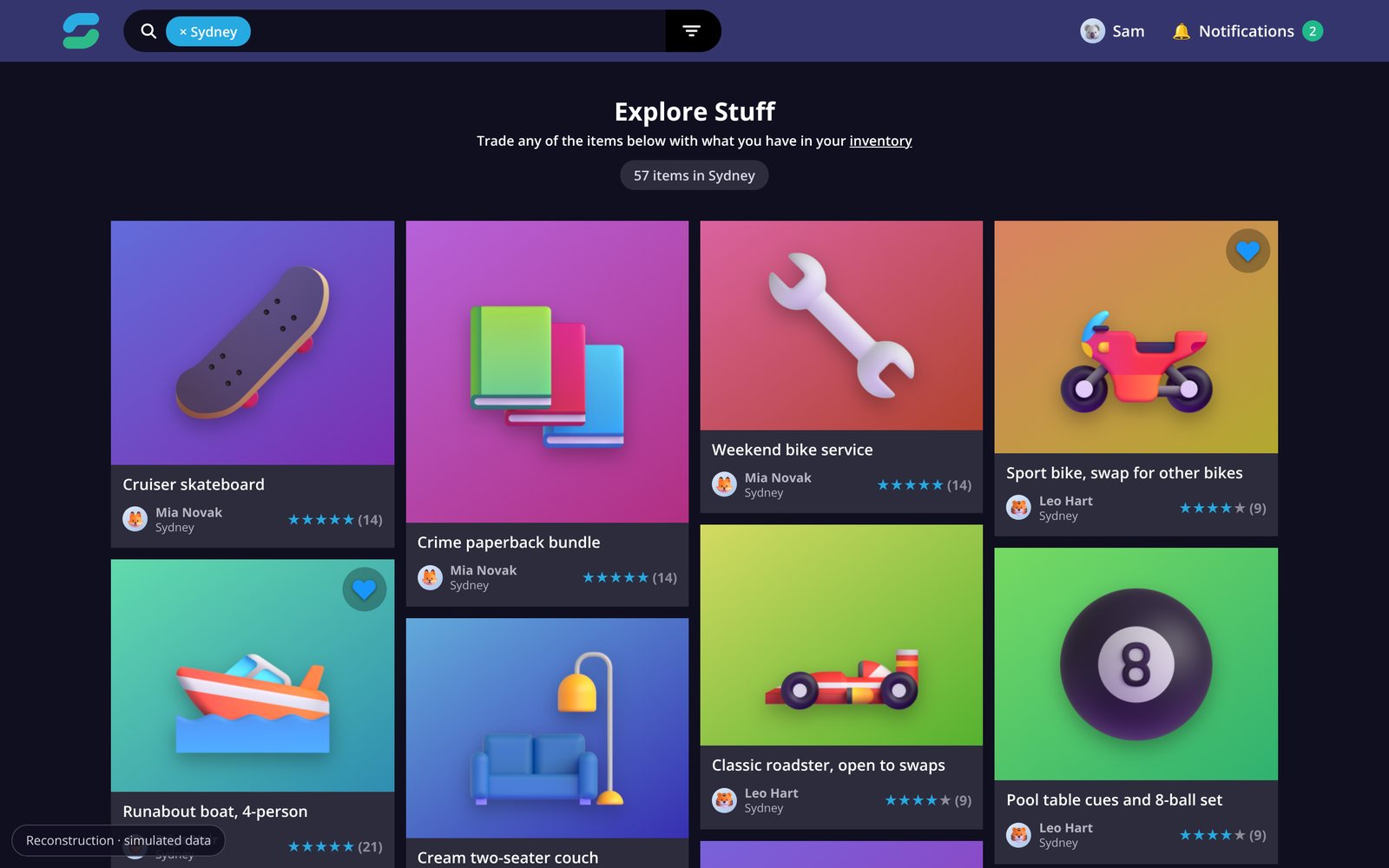
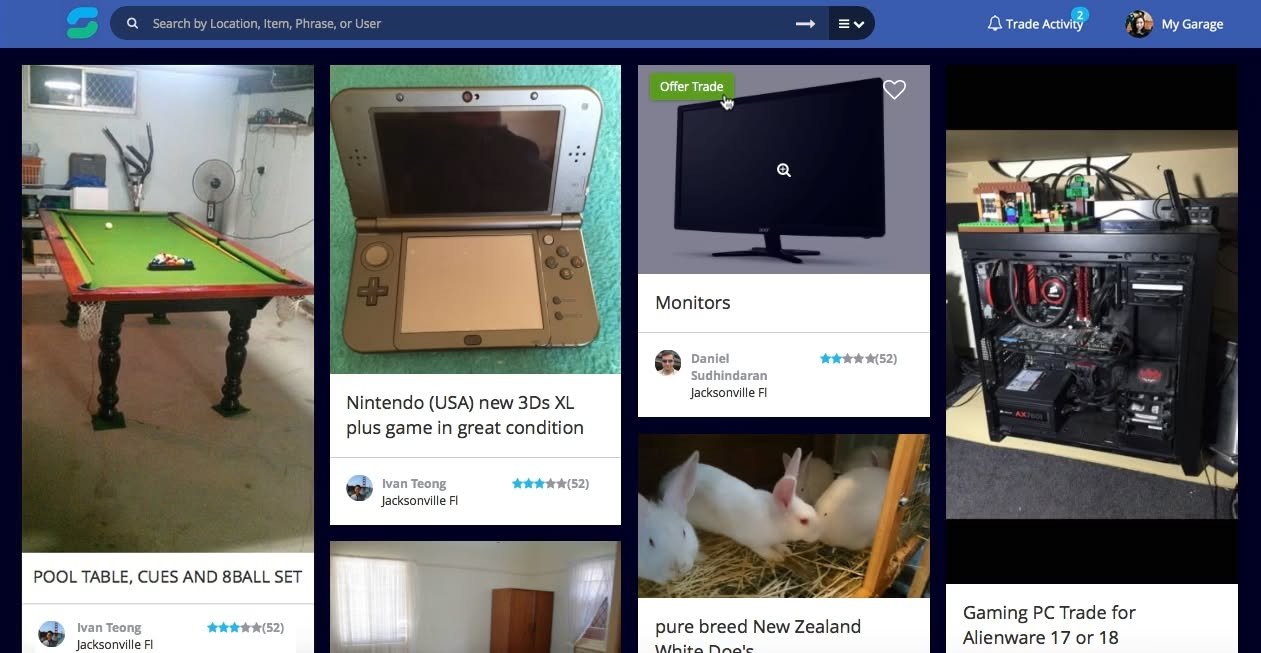
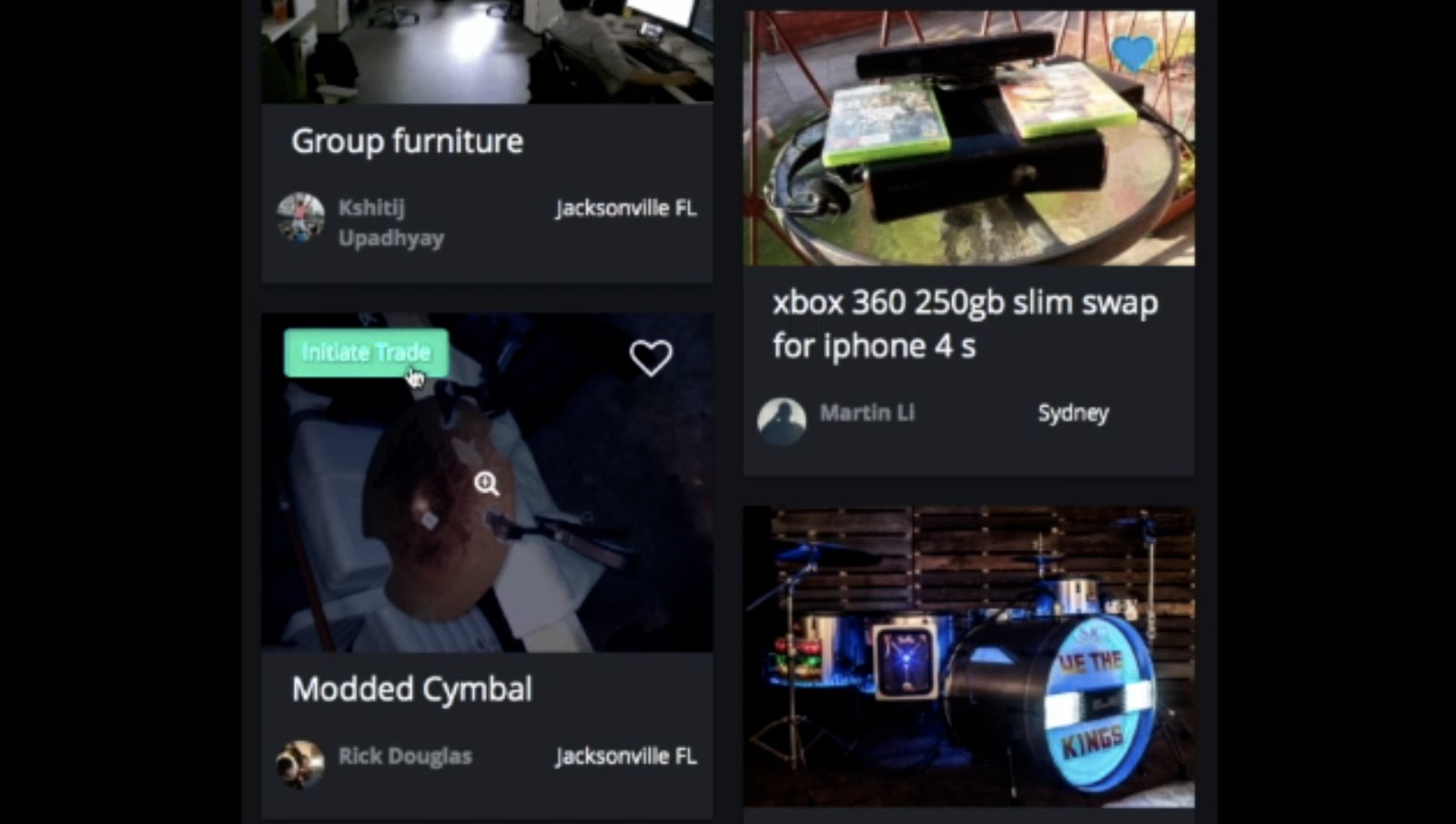
A recording of the real product from December 2015: browsing what's up for trade, building an offer on the Trading Table, and sending it.
The Trading Table
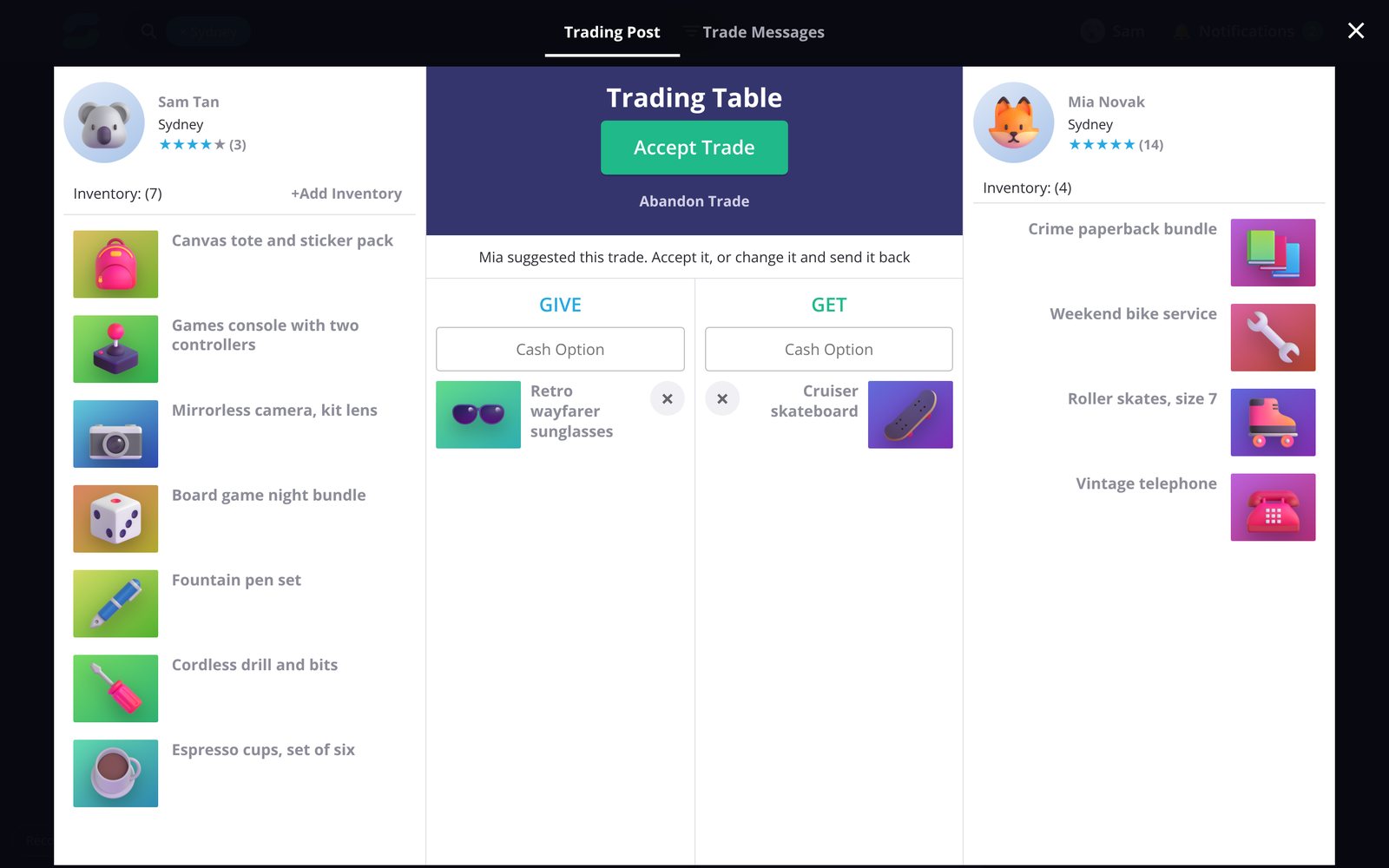
Most marketplaces handled one reply to one listing at a time. The core of TradeSumo was a split screen: your inventory on one side, the other person's on the other, and a table in the middle where an offer was put together, mixing several items and cash. The idea came from trade windows in games such as World of Warcraft and RuneScape, which make multi-item trades feel simple.
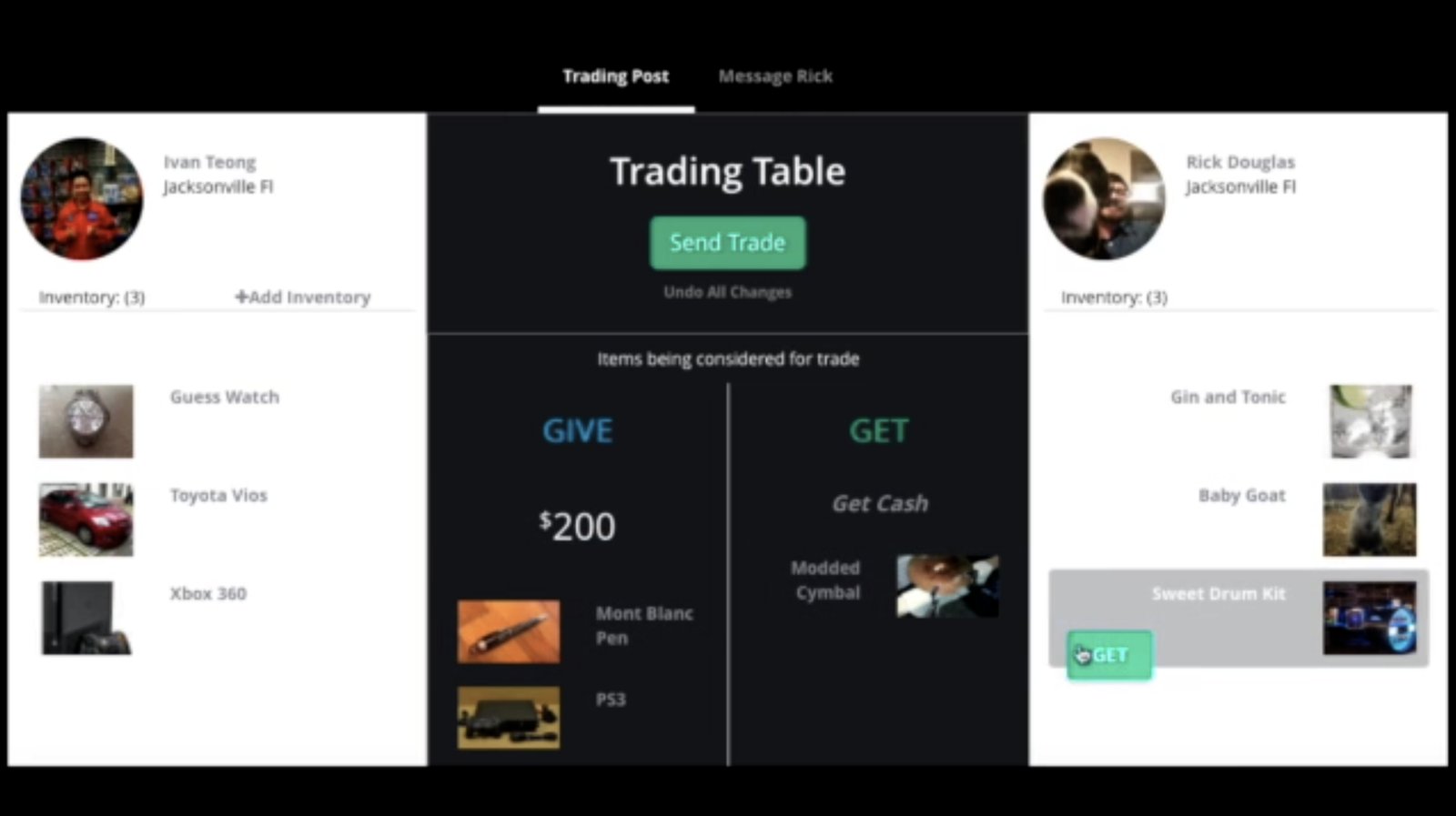
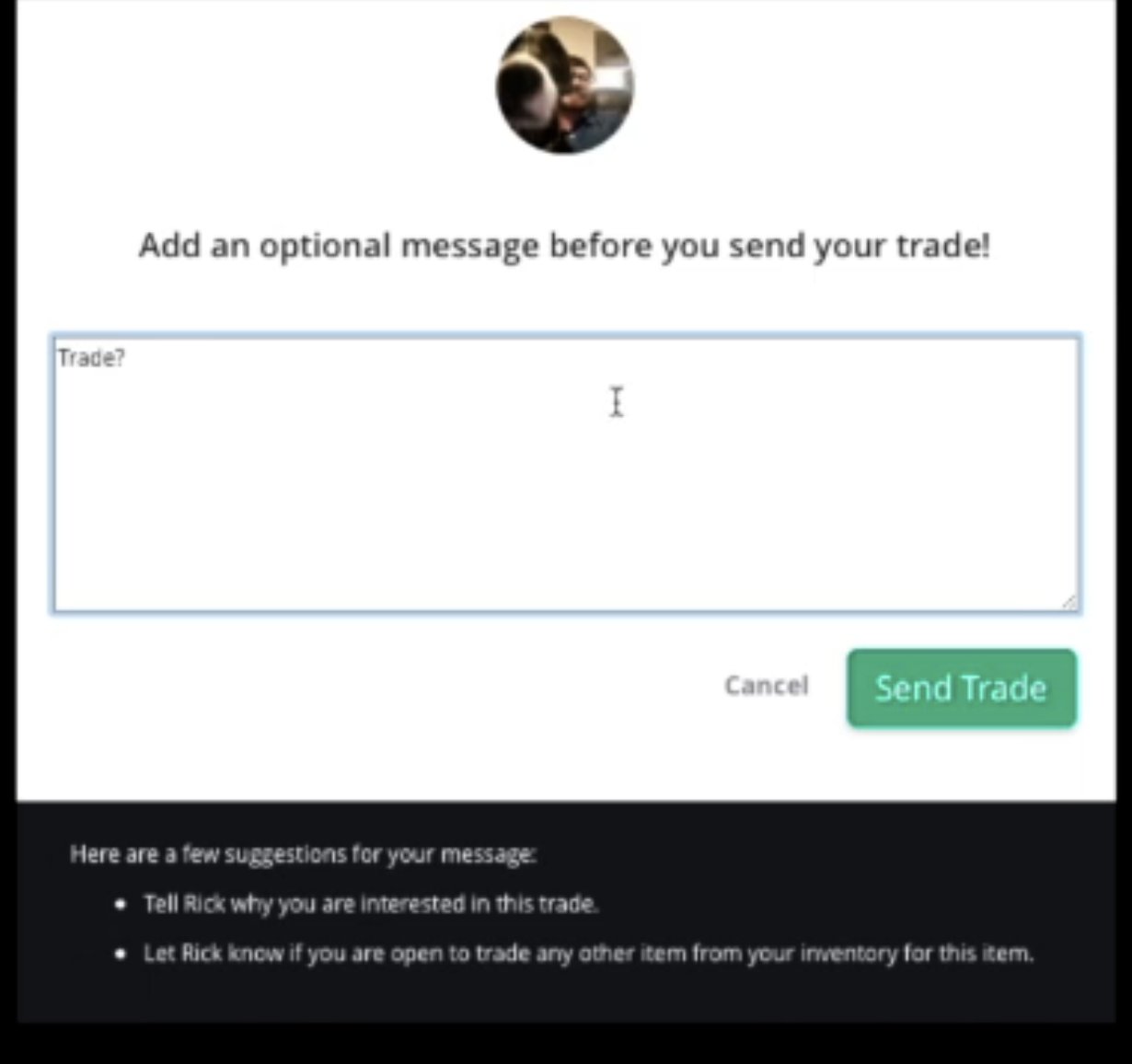
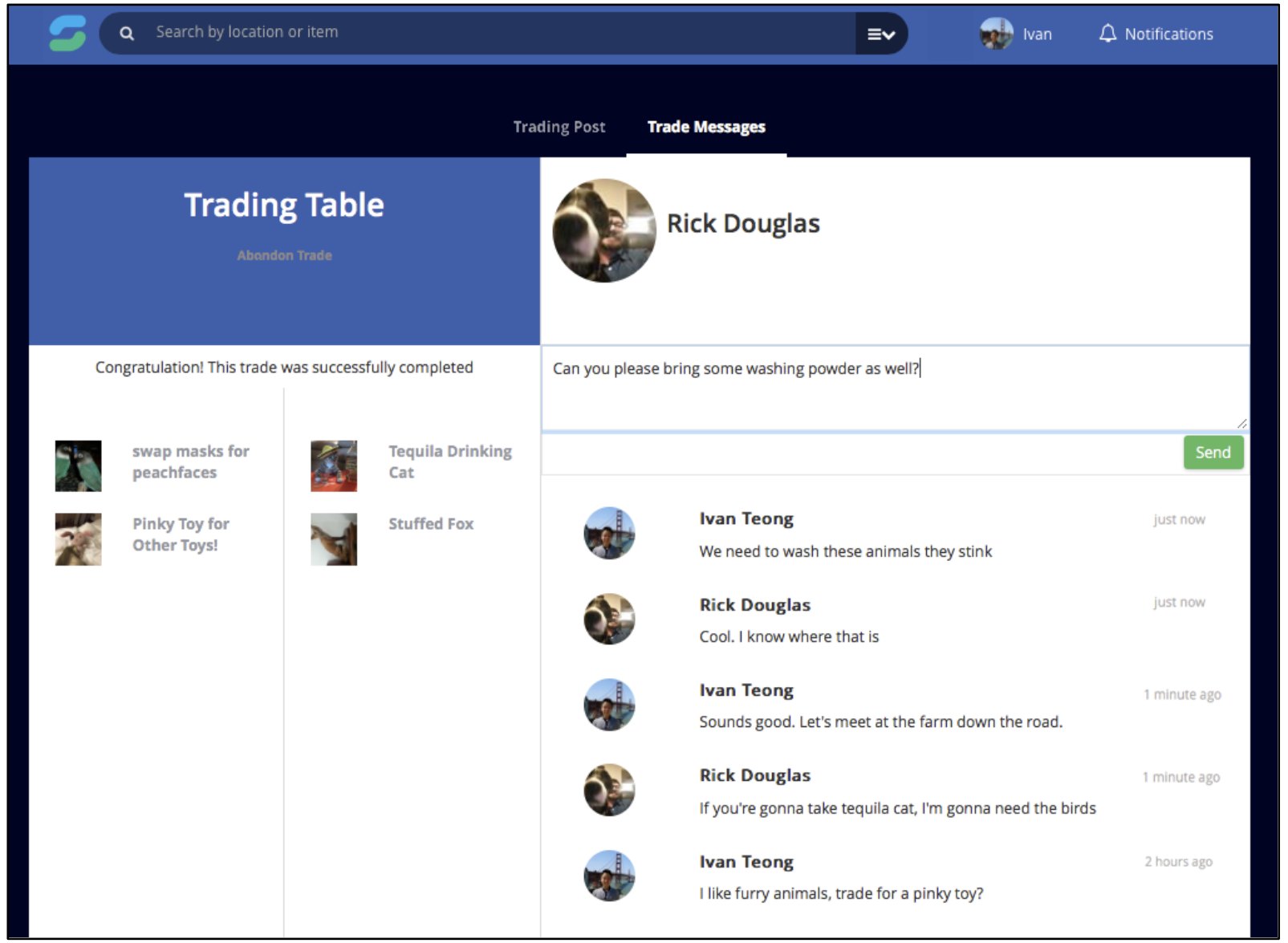
Either side could change the offer and send it back as many times as they liked. Once both accepted, free messaging opened up so they could arrange the pickup, any cash went through escrow, and both were asked to rate each other.
It started as SwitchTick
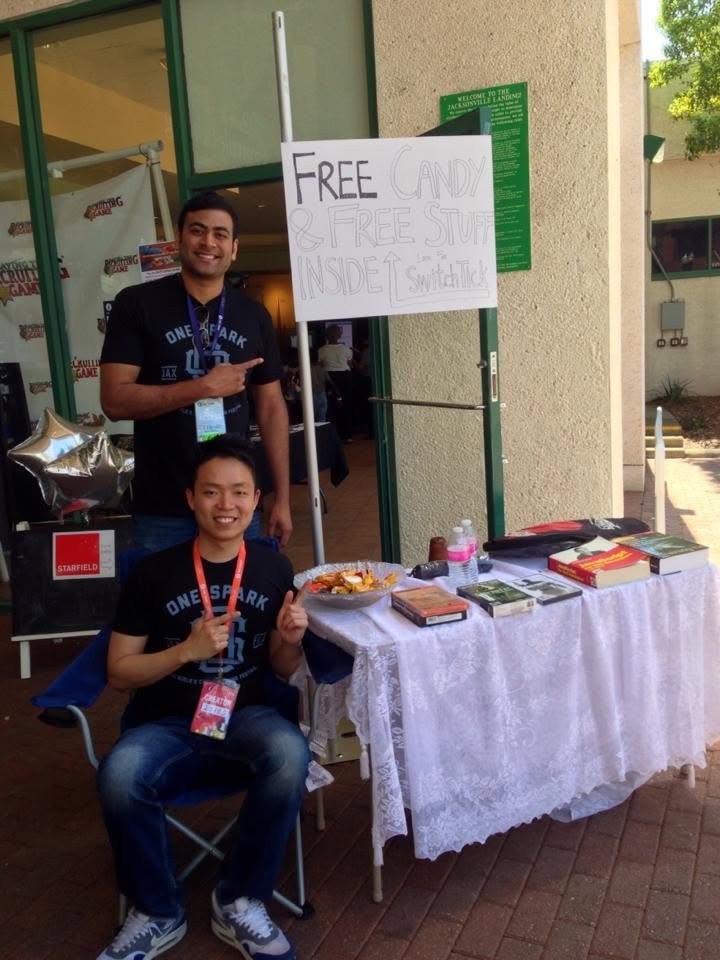
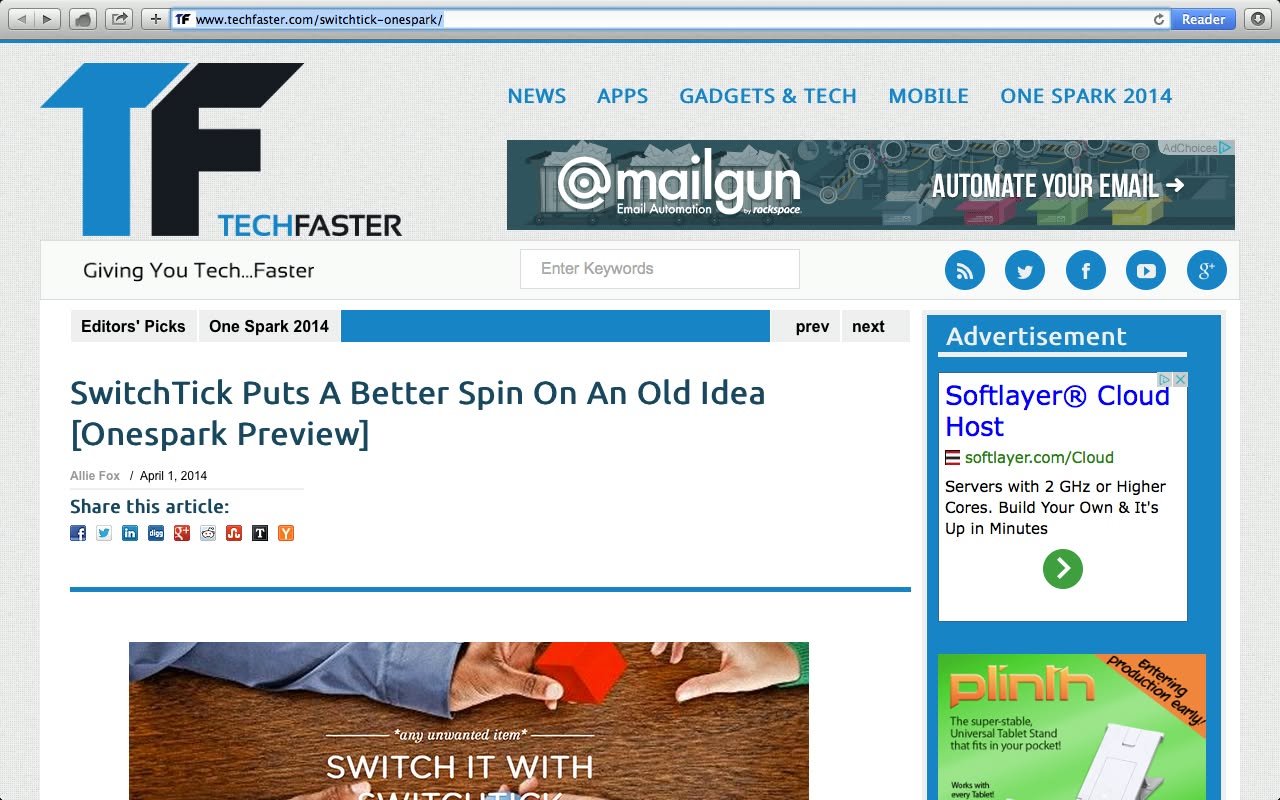
We first launched as SwitchTick, at One Spark 2014 in Jacksonville, a crowdfunding festival where creators set up stands for the public. We ran ours with free candy and free stuff, and TechFaster covered us in its One Spark preview. We later renamed it TradeSumo: "Tick" was hard to say, and too easy to mishear.
Solving the cold start
Every two-sided marketplace has a chicken-and-egg problem. A bartering one has it twice over: you need someone who wants exactly what you have, and has exactly what you want.
Why trade at all
The value of an item is subjective. A surfboard worth $300 to its owner might be worth $600 to someone who badly wants one. Trading lets two people capture that gap with little or no cash changing hands.
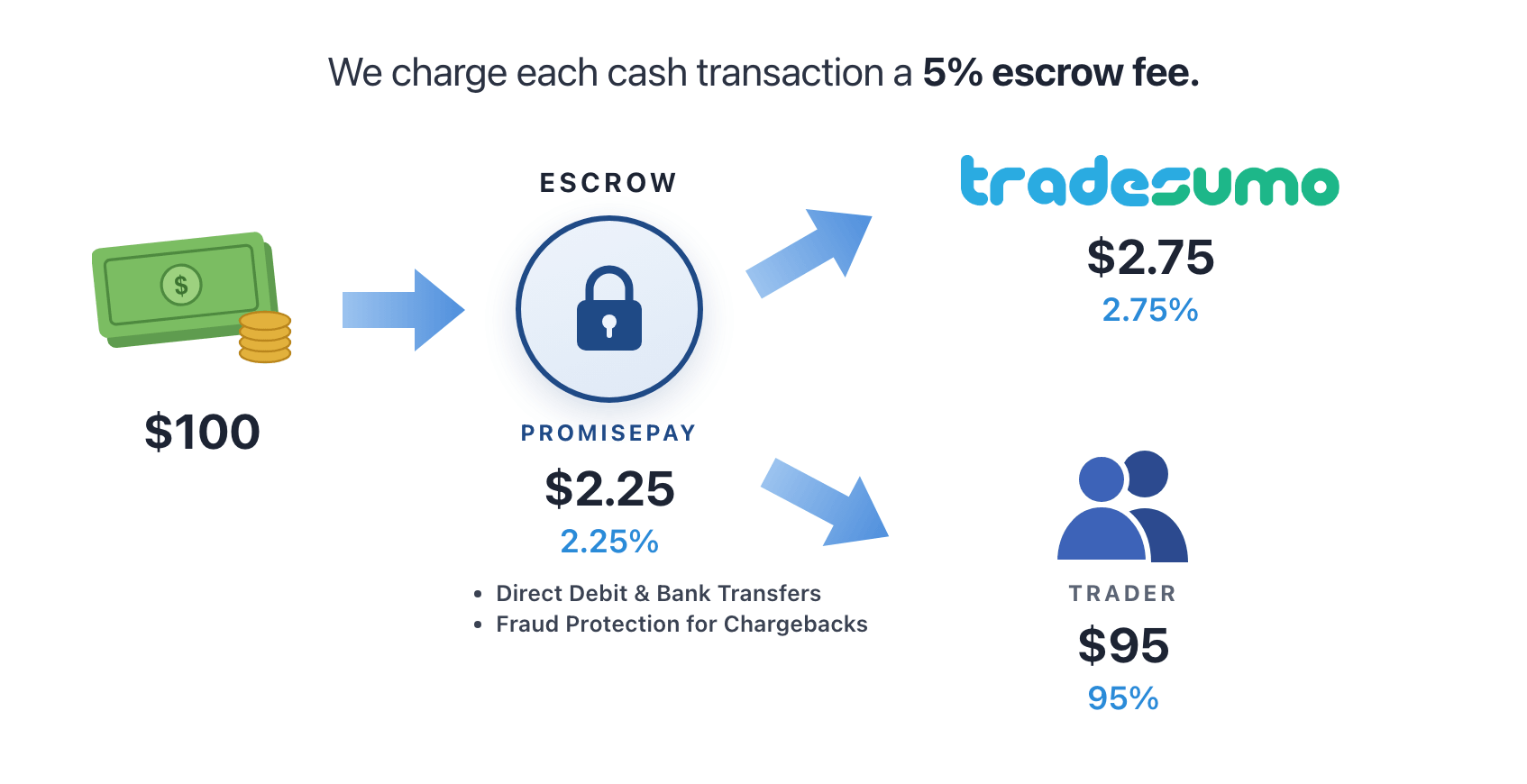
TradeSumo supported all three through the Trading Table, with city communities, escrow for trust and ratings after every trade. The business model was a 5% fee on cash trades that went through escrow.
What I owned
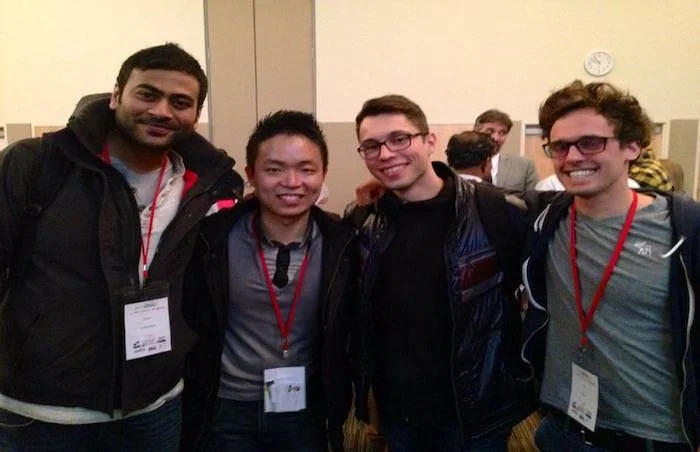
I co-founded TradeSumo with two engineers in Florida, Daniel Sudhindaran and Rick Douglas. My remit was everything outside engineering, and there was no line between product, marketing, community and operations.
What didn't work
TradeSumo didn't reach product-market fit, and we shut it down in August 2016. Looking back, these are the four calls I would make differently.
Trading happens on a phone: you spot something you no longer need and list it. Our web app worked on phones but wasn't designed for them. Carousell, which committed to mobile only, showed the difference.
Our groups told us cars, bikes and electronics were the most active categories. We launched across every category instead, and ended up with a thin marketplace where supply and demand rarely met. A deep market in one category beats a shallow one in ten.
You could only message someone by sending a formal trade. For cars and electronics, people want to ask questions and see more photos first. A simple "ask a question" would have lowered the bar.
Without a revenue model in the product, we had no feedback on which trades created real value. Even a small fee forces you to learn who your valuable users are.
What I took from it
TradeSumo is why I build products. It taught me how a marketplace starts from nothing, and that density matters more than breadth. It also showed me I wanted to be closer to customers and the market than to infrastructure, which is what took me into product management.
In 2026 I rebuilt the experience from the original recordings and business plan, so it can be tried again. The traders and listings in the reconstruction are invented.